Introduction
Patient safety remains one of the highest priorities within modern healthcare systems. Every interaction between a healthcare professional and a patient presents an opportunity to provide safe, effective, and compassionate care.
Creating a culture of patient safety requires more than policies and procedures — it depends on continuous education, teamwork, and professional development. A hospital can have the most detailed safety protocols on paper, but if staff aren't continuously trained, supported, and confident in applying them, those protocols remain theoretical. Real patient safety is built through people, not documents.
What is Patient Safety?
Patient safety involves preventing avoidable harm while delivering healthcare services. It focuses on reducing clinical risks, improving communication, and ensuring evidence-based practices are consistently followed.
Healthcare organizations that invest in workforce education often experience improved quality outcomes and greater patient confidence. Importantly, patient safety isn't the responsibility of any single department or role — it spans clinical staff, administrative teams, and support services alike, all of whom shape the patient's overall experience of care.
The Role of Professional Training
Continuous education helps healthcare professionals:
Stay updated with clinical guidelines.
Improve decision-making skills.
Enhance communication within multidisciplinary teams.
Reduce preventable errors.
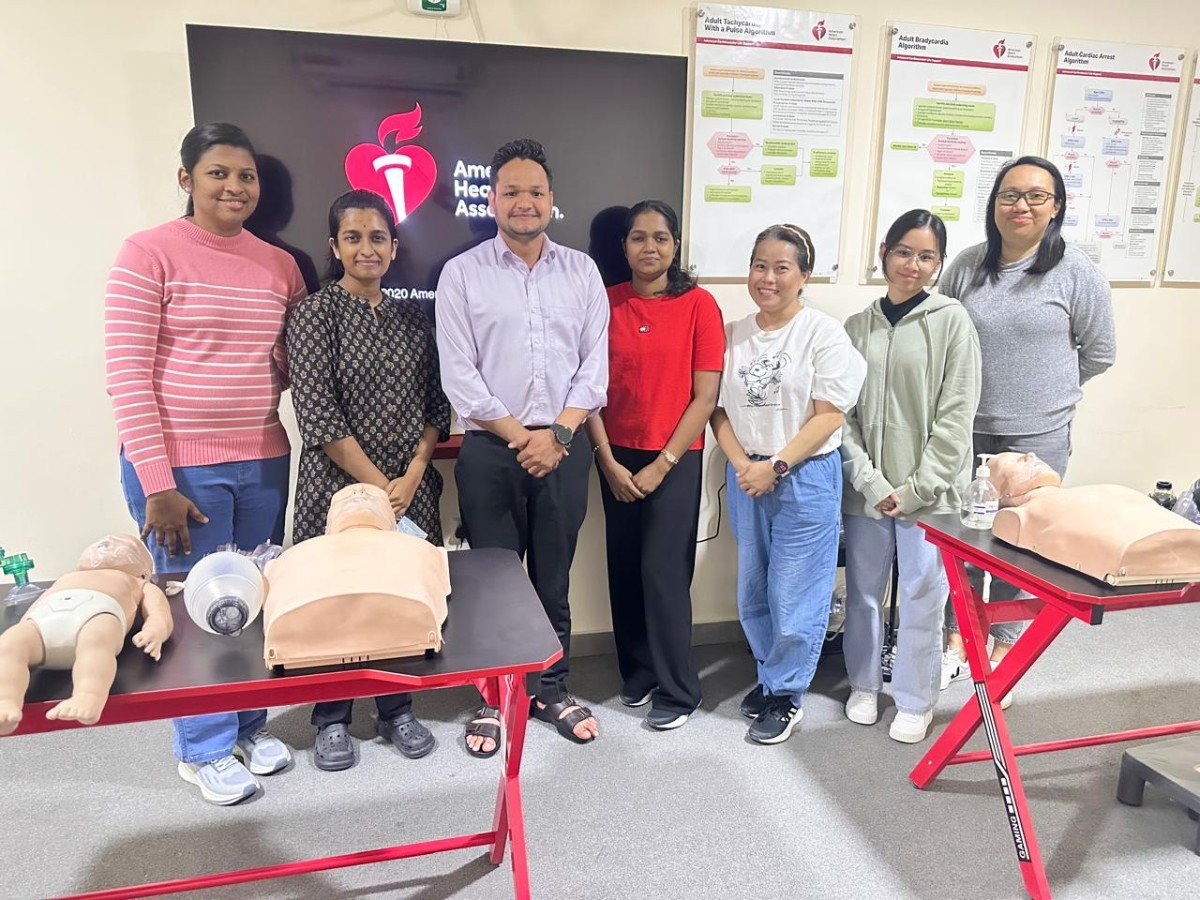
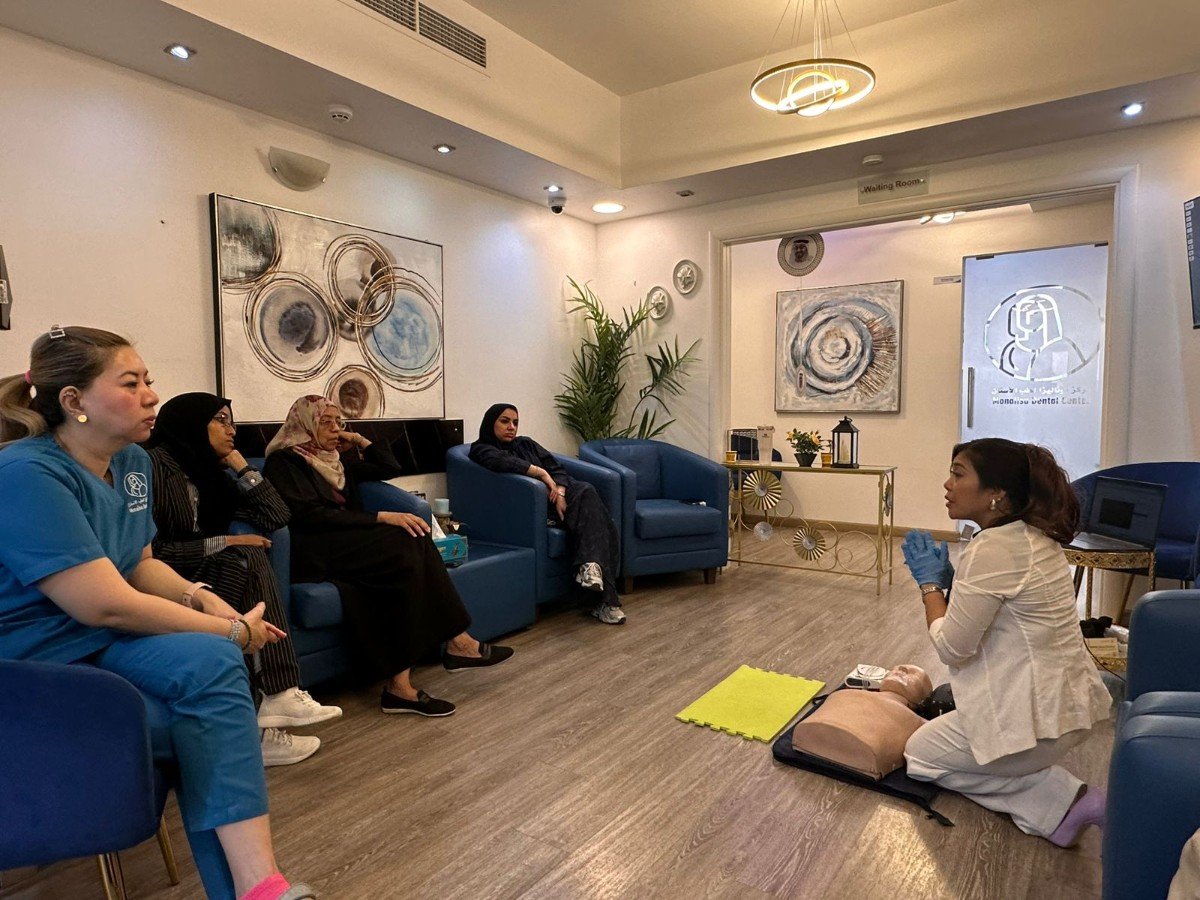
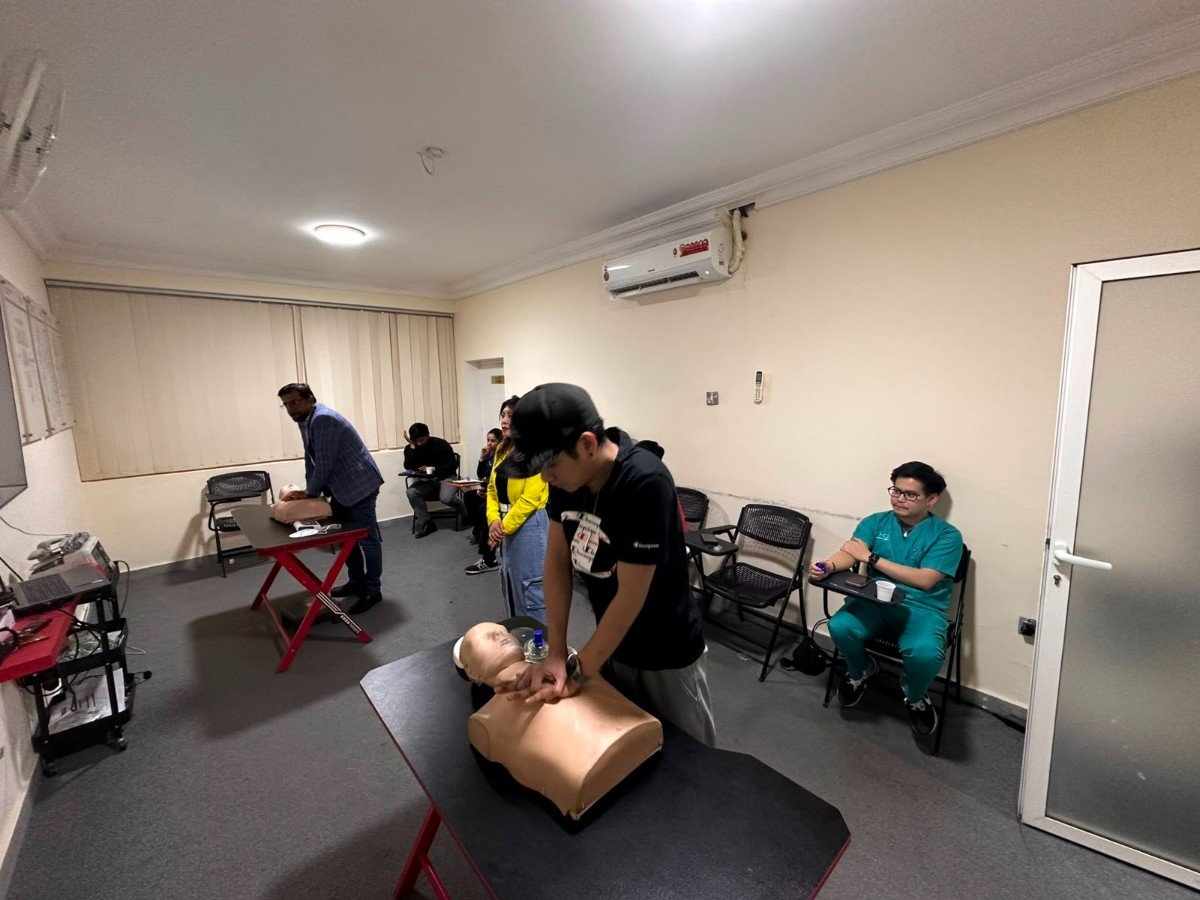
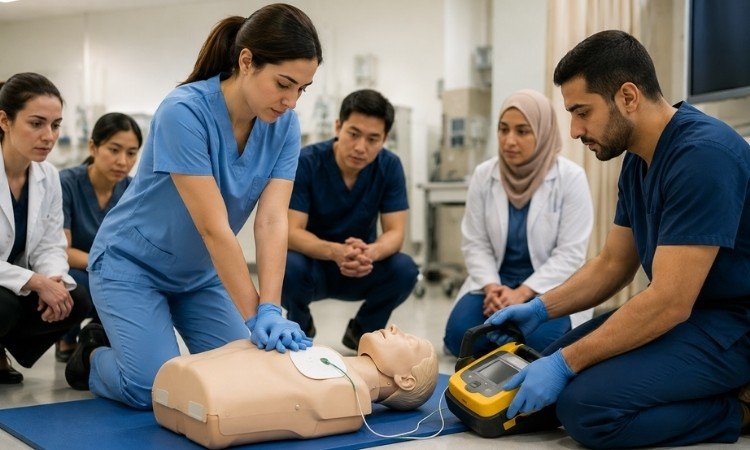
Strengthen emergency response capabilities.
Training isn't only about acquiring new knowledge — it's also about reinforcing judgment under pressure. Many patient safety incidents don't stem from a lack of knowledge, but from breakdowns in communication, fatigue-driven errors, or hesitation in high-pressure moments. Regular, scenario-based training helps address exactly these gaps, not just the theoretical ones.
Why Healthcare Organizations Should Invest in Training
Hospitals and healthcare facilities that prioritize staff development benefit from:
Improved patient outcomes.
Better compliance with quality standards.
Increased staff confidence.
Enhanced teamwork.
Stronger organizational performance.
Education is not simply a professional requirement — it is an essential component of delivering safe healthcare.
Comparing Training Approaches to Patient Safety
Different training formats contribute to patient safety in different ways. The table below outlines how common approaches complement one another as part of a broader safety culture:
Training Approach | Primary Contribution | Best Suited For |
Classroom-based education | Builds foundational clinical knowledge and guideline awareness | New staff, guideline updates |
Simulation-based training | Develops hands-on decision-making and team coordination under pressure | Emergency response, high-risk procedures |
Continuing Medical Education (CME) | Keeps experienced professionals current with evolving research and practice | Ongoing professional development |
Corporate/onsite training | Embeds safety practices directly into a team's real working environment | Organization-wide competency building |
No single training format covers every aspect of patient safety on its own — organizations that combine these approaches tend to build the most resilient safety culture over time.
Leadership's Role in Sustaining a Safety Culture
Patient safety culture doesn't sustain itself through training alone — it requires visible commitment from leadership. When hospital administrators and department heads actively prioritize ongoing education, staff are far more likely to view training as a core professional responsibility rather than a compliance formality. Conversely, when training is treated as a low priority at the leadership level, that attitude tends to filter down, regardless of how good the training content itself may be.
Lifelong Learning Matters
Healthcare continues to evolve with new technologies, treatments, and clinical practices. Lifelong learning ensures professionals remain competent throughout their careers while providing the highest standard of patient care. This is particularly true as diagnostic tools, treatment protocols, and even documentation systems change faster than many professionals were trained to expect during their initial education — making ongoing learning a career-long requirement, not a phase that ends after graduation.
Conclusion
A strong culture of patient safety begins with continuous learning. By investing in professional education and competency development, healthcare organizations create safer environments for both patients and healthcare teams.
DIMS Medical Services supports healthcare organizations through internationally recognized certifications, professional training, and customized workforce development programs — helping build a genuine, lasting culture of patient safety from the ground up. Partner with DIMS Medical Services to bring continuous, competency-based education to your team.